How to Remove Tar and Road Grime from Your Car’s Finish

Your car’s finish takes a beating every time you hit the road. Tar, road grime, and other contaminants can mar its beauty and even cause damage if left untreated. In this guide, we’ll delve into the world of car care and explore the best methods to effectively remove tar and road grime from your vehicle’s finish.
Understanding Tar and Road Grime
What is Tar and Road Grime?
Before we jump into the cleaning process, it’s crucial to understand what we’re dealing with. Tar is a sticky, black substance often found on roads. Road grime, on the other hand, is a combination of dirt, grease, and debris that accumulates on your car as you drive. Both can adhere stubbornly to your car’s finish, creating unsightly blemishes.
The Importance of Timely Removal
Neglecting to remove tar and road grime promptly can lead to several problems. These contaminants can eat away at your car’s paint, causing long-term damage. Additionally, they can make your car look dirty and neglected. Regular cleaning not only maintains your car’s appearance but also preserves its value.
Materials You’ll Need
Before you begin, gather the following materials:
- Tar remover
- Microfiber towels
- Bucket of soapy water
- Soft-bristle brush
- Clay bar (for stubborn spots)
- Isopropyl alcohol (for tough tar)
- Car wax (for protection)
Preparation
Choose the Right Location
Start by parking your car in a shaded area, away from direct sunlight. This prevents cleaning agents from drying too quickly, ensuring they work effectively.
Gather Your Supplies
Having everything ready before you start will make the process smoother. Lay out your materials nearby for easy access.
Step-by-Step Cleaning Process
Step 1: Rinse Your Car
Begin by thoroughly rinsing your car with a hose or a bucket of clean water. This removes loose dirt and cools down the surface.
Step 2: Apply Tar Remover
Apply tar remover to the affected areas. Follow the product’s instructions and let it sit for a few minutes to soften the tar and grime.
Step 3: Gently Scrub the Affected Areas
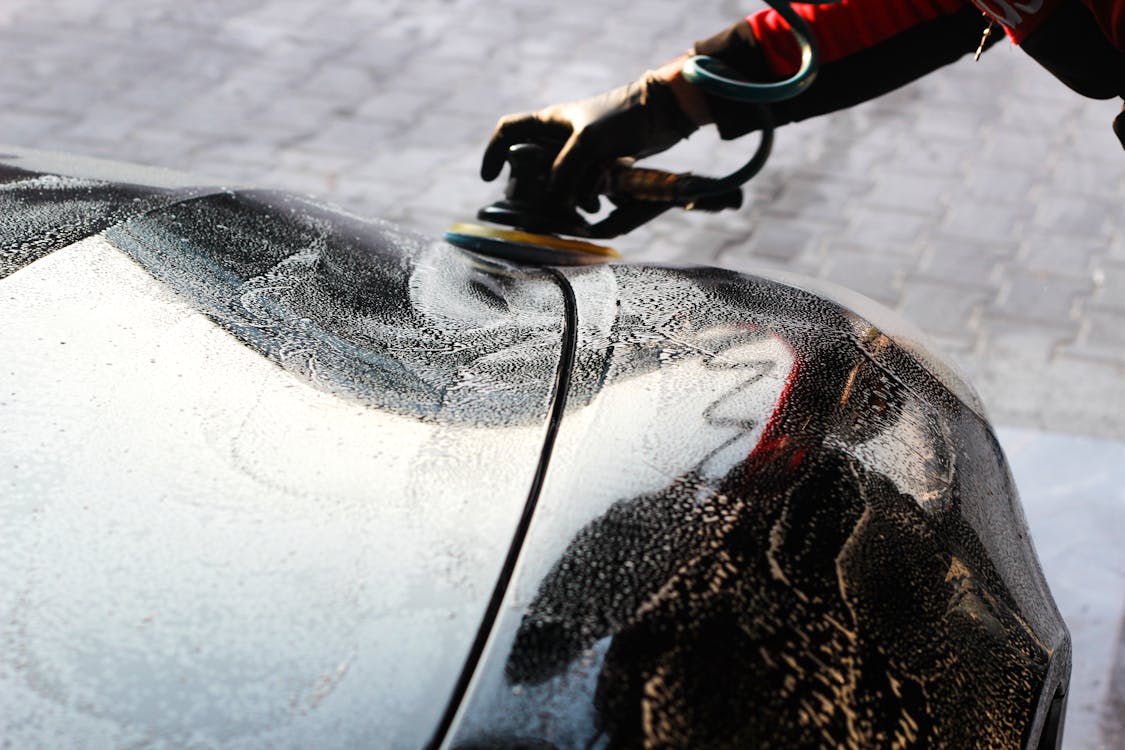
Using a soft-bristle brush or a microfiber towel, gently scrub the affected areas in a circular motion. Be patient and avoid using excessive force to prevent scratches.
Step 4: Rinse and Inspect
Rinse your car again to remove the loosened tar and grime. Inspect the surface to ensure all contaminants are gone. Repeat the process if necessary.
Dealing with Stubborn Tar and Grime
Using a Clay Bar
If some spots persist, a clay bar can be highly effective. Lubricate the surface with soapy water and gently glide the clay bar over the affected area. This will pick up even the most stubborn contaminants.
Isopropyl Alcohol for Tough Spots
For extremely stubborn tar, you can use isopropyl alcohol. Apply it sparingly on a microfiber cloth and gently rub the tar until it dissolves.
Protecting Your Car’s Finish
After cleaning, it’s crucial to protect your car’s finish. Waxing your car provides a protective layer that repels future contaminants and restores shine.
Additional Tips
Avoiding Scratches
Always use clean, soft materials and avoid using excessive pressure to prevent scratching your car’s finish during the cleaning process.
Regular Maintenance
To keep your car looking its best, make tar and road grime removal a part of your regular car maintenance routine.
Conclusion
Removing tar and road grime from your car’s finish is a crucial aspect of car care. By following these steps and tips, you can ensure that your vehicle stays clean and protected, maintaining its beauty and value for years to come.
FAQs
How often should I remove tar and road grime?
Ideally, you should remove tar and road grime as soon as you notice them. Regular cleaning prevents long-term damage.
Can I use household cleaning products?
It’s best to use specialized tar removers and automotive products. Household products may not be as effective and could damage your car’s finish.
Is it safe to use a pressure washer?
A pressure washer can be used, but be cautious with the pressure setting. High pressure can damage the paint, so use a gentle setting.
Can I remove tar and grime without damaging my car’s finish?
Yes, by following the steps outlined in this guide and using the right materials, you can safely remove tar and grime without damaging your car’s finish.
What if I don’t have access to specialized tar remover?
If you don’t have specialized tar remover, isopropyl alcohol can work as an alternative. However, use it sparingly and with caution to avoid any potential damage to your car’s finish.