The Environmental Impact of Auto Detailing

Auto detailing is more than just giving your car a shiny look; it’s a process that can have a significant impact on the environment. In this article, we’ll delve deep into the environmental implications of auto detailing and explore ways to make this practice more eco-friendly.
The Basics of Auto Detailing
Auto detailing involves a thorough cleaning and restoration of a vehicle’s interior and exterior. It includes cleaning, polishing, and protecting various surfaces such as paint, glass, leather, and upholstery.
The Traditional Approach
Traditionally, auto detailing has been associated with the use of harsh chemicals, excessive water consumption, and wasteful practices.
The Eco-Friendly Shift
In recent years, there has been a growing awareness of the need for eco-friendly auto detailing practices. Let’s explore how this shift is taking place.
Water Consumption
Water usage is one of the primary environmental concerns in auto detailing.
Conventional Water Use
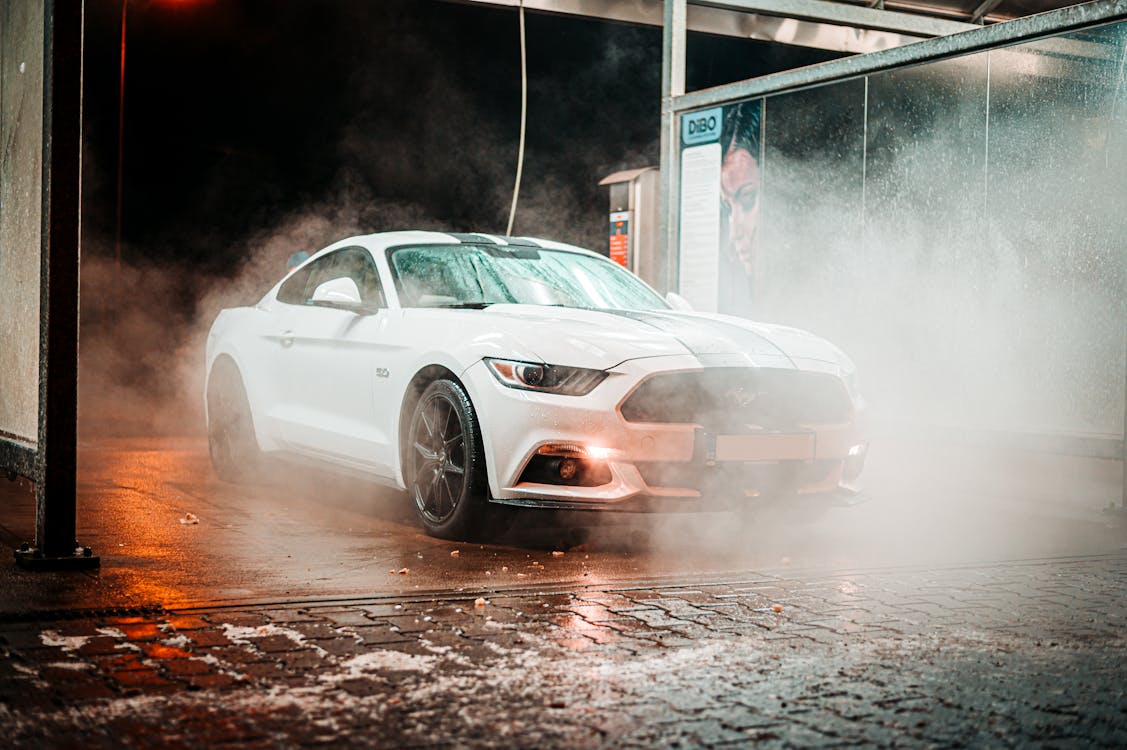
Traditional detailing often involves using large amounts of water for washing and rinsing.
Waterless Detailing
Waterless detailing methods have emerged as an eco-friendly alternative that conserves water resources.
Chemical Usage
The chemicals used in auto detailing can have adverse effects on the environment.
Harsh Chemicals
Many traditional detailing products contain chemicals that can harm aquatic life and ecosystems.
Eco-Friendly Products
Discover the eco-friendly alternatives that are gentler on the environment without compromising on quality.
Waste Management
Proper waste disposal is crucial in reducing the environmental impact of auto detailing.
Hazardous Waste
Learn about the hazardous waste generated during detailing and how it should be handled.
Recycling and Reuse
Explore recycling and reusing options for materials like microfiber towels and applicator pads.
Energy Consumption
The energy required for various detailing processes also contributes to the environmental footprint.
Equipment Efficiency
Discover energy-efficient equipment and techniques that can minimize energy consumption.
Green Detailing Practices
There are several green detailing practices that can make a positive impact on the environment.
Eco-Friendly Detailing Businesses
Learn about auto detailing businesses that prioritize sustainability in their operations.
DIY Green Detailing
Tips for car owners who want to adopt eco-friendly detailing practices when cleaning their vehicles.
Conclusion
In conclusion, auto detailing doesn’t have to be harmful to the environment. By embracing water conservation, eco-friendly products, proper waste management, and energy-efficient practices, we can make auto detailing more sustainable.
Now, let’s delve deeper into each of these sections.
The Basics of Auto Detailing
Auto detailing is an art that goes beyond simply washing a car. It involves a comprehensive process of cleaning, restoring, and protecting a vehicle’s exterior and interior surfaces. Detailing aims to bring out the car’s best appearance and preserve its value over time.
The Traditional Approach
Traditionally, auto detailing has been synonymous with excessive water usage, harsh chemicals, and wasteful practices. Detailers often used copious amounts of water to wash and rinse vehicles, which not only wasted a precious resource but also posed a risk to nearby ecosystems. Moreover, the chemicals used in the process were often harmful to aquatic life.
The Eco-Friendly Shift
Fortunately, the auto detailing industry has started to change its ways. There’s a growing realization that the traditional approach is neither sustainable nor responsible. Detailers and car owners alike are shifting towards more eco-friendly practices, reducing their environmental impact while still achieving fantastic results.
Water Consumption
One of the most significant environmental concerns in auto detailing is water consumption.
Conventional Water Use
In the past, auto detailing often involved copious amounts of water. The practice of hosing down vehicles and using running water for prolonged periods contributed to water wastage and, in some cases, polluted runoff into natural water bodies.
Waterless Detailing
Waterless detailing methods have emerged as an eco-friendly alternative. These methods rely on specially formulated cleaning products that require little to no water. The products are applied to the vehicle’s surface, and the dirt and grime are lifted away without the need for excessive rinsing. Waterless detailing not only conserves water but also reduces the risk of harmful chemicals entering the environment.
Chemical Usage
The chemicals used in auto detailing can have a profound impact on the environment.
Harsh Chemicals
Many traditional detailing products contain harsh chemicals that can be harmful to aquatic life and ecosystems. These chemicals, when washed off the car’s surface, can find their way into storm drains and eventually into rivers and oceans, where they can disrupt fragile ecosystems.
Eco-Friendly Products
Fortunately, there are eco-friendly detailing products available that are gentler on the environment. These products are formulated to be biodegradable and non-toxic, reducing the risk of pollution. They offer an effective and environmentally responsible way to clean and protect your vehicle.
Waste Management
Proper waste management is another crucial aspect of reducing the environmental impact of auto detailing.
Hazardous Waste
During the detailing process, various waste materials are generated, some of which can be hazardous. This includes used chemicals, oil, and contaminated water. It’s essential to handle these materials correctly to prevent them from harming the environment.
Recycling and Reuse
Detailers and car owners can also play a role in reducing waste. Materials like microfiber towels and applicator pads can often be reused after proper cleaning. Additionally, recycling programs for containers and packaging of detailing products can help minimize the waste generated by the industry.
Energy Consumption
Energy consumption is often overlooked in the discussion of auto detailing’s environmental impact.
Equipment Efficiency
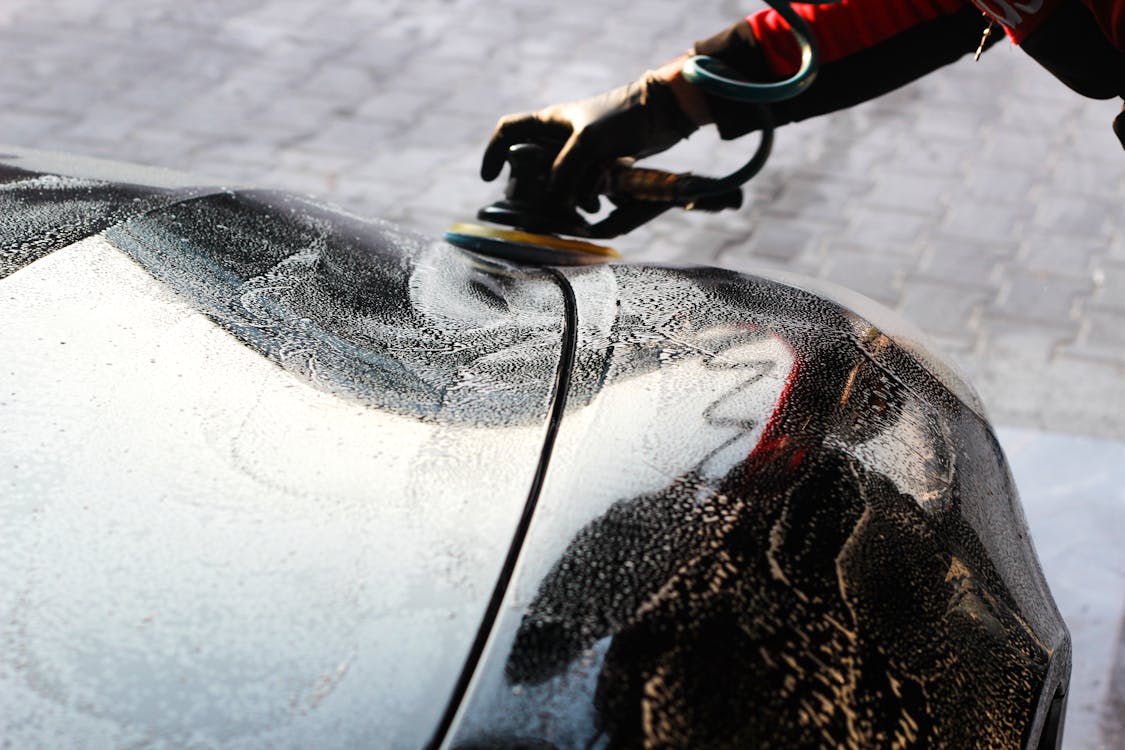
Detailing involves various tools and equipment, such as vacuum cleaners and polishers, which consume energy. Choosing energy-efficient equipment and using them judiciously can help minimize the energy footprint of detailing. Additionally, some businesses are adopting renewable energy sources to power their operations, further reducing their environmental impact.
Green Detailing Practices
Several green detailing practices can make a positive impact on the environment.
Eco-Friendly Detailing Businesses
Some detailing businesses are leading the way in sustainability. They prioritize eco-friendly practices in their operations, from using green products to implementing water recycling systems. Supporting such businesses can contribute to a more sustainable auto detailing industry.
DIY Green Detailing
Car owners can also contribute to eco-friendly detailing by adopting green practices when cleaning their vehicles. Simple steps like using waterless detailing products, choosing eco-friendly cleaners, and disposing of waste properly can collectively make a difference.
Conclusion
In conclusion, auto detailing doesn’t have to be harmful to the environment. By embracing water conservation, eco-friendly products, proper waste management, and energy-efficient practices, we can make auto detailing more sustainable. Whether you’re a professional detailer or a car owner, you can play a role in reducing the environmental impact of this essential service.
FAQs (Frequently Asked Questions)
1. Are waterless detailing products as effective as traditional ones?
Yes, waterless detailing products are highly effective at cleaning and protecting your vehicle without the need for excessive water. They are formulated to lift dirt and grime away from the surface, leaving your car looking great.
2. Are eco-friendly detailing products more expensive?
Eco-friendly detailing products can be slightly more expensive than their